study abroad

Hands-On and Ready: How Syracuse University Is Preparing the Next Generation of Engineers and Computer Scientists

87 Percent of Undergraduate Students Complete an Experiential Learning Milestone Before Graduation— and the Results Are Speaking for Themselves

At Syracuse University’s College of Engineering and Computer Science (ECS), a degree isn’t just measured in credits and coursework. It’s measured in real-world problems tackled, industries explored, and communities served. In a recent survey of 229 graduating seniors, an impressive 87 percent of ECS undergraduates completed at least one Experiential Learning Milestone (ELM) before graduation — a figure that is reshaping what it means to earn an engineering or computer science degree in the 21st century.

What Is an Experiential Learning Milestone?

ECS defines Experiential Learning Milestones as structured, applied experiences that bridge the gap between academic theory and professional practice. The college organizes these opportunities into three distinct categories, ensuring that students from every background and career aspiration can find a meaningful path.

Category 1: Work-Integrated Learning

The most direct bridge between campus and career, Work-Integrated Learning places students in professional engineering and technology environments before they graduate.

  • Internship — Students gain hands-on industry experience through short-term placements with companies and organizations across sectors ranging from aerospace and defense to healthcare technology and fintech.
  • Co-Op — Extended, alternating work-study arrangements that allow students to embed more deeply within an organization, often returning for multiple rotations and taking on increasing responsibility over time.
  • Industrial Assessment Center — Students participate in energy and productivity assessments of real manufacturing facilities, applying engineering analysis to help businesses identify inefficiencies and reduce costs — all under faculty supervision.
Category 2: Research and Discovery

For students drawn to pushing the boundaries of knowledge, ECS offers pathways into original inquiry alongside world-class faculty.

  • Undergraduate Research — Students join active faculty research labs, contributing to projects in areas such as cybersecurity, artificial intelligence, sustainable infrastructure, biomedical engineering, and more. Research opportunities are open to students as early as their first year.
  • Approved Independent Research Study — Students with a focused area of interest can design and pursue an independent research project, guided by a faculty mentor and approved through the college, allowing for a highly personalized scholarly experience.
Category 3: Innovation, Exploration, and Service

Recognizing that engineers and computer scientists shape the world in more ways than one, this category encompasses experiences that cultivate creativity, global awareness, civic responsibility, and entrepreneurial thinking.

  • Engineering Service Experience — Programs like Engineers Without Borders give students the opportunity to apply technical skills to humanitarian challenges, developing sustainable solutions for underserved communities at home and around the world.
  • Entrepreneurship & Innovation-Based Experience — Initiatives like Invent@SU challenge students to take an idea from concept to prototype, building not just technical acumen but the business fluency and creative confidence that modern engineering careers demand.
  • Study Abroad — Students pursue technical coursework and cultural immersion internationally, gaining the global perspective increasingly required in today’s interconnected engineering and technology landscape.
  • Military Service Experience — ECS recognizes and honors the unique, high-stakes technical and leadership training that student veterans and ROTC participants bring to their engineering education.
  • Additional Approved Opportunities — The Dean’s Office can endorse additional experiences that meet the spirit of experiential learning, ensuring the ELM framework remains flexible and responsive to an ever-evolving field.
Why It Matters: The Case for Learning by Doing

Career Readiness from Day One. Employers across the technology and engineering sectors consistently rank real-world experience among their top hiring criteria. When 87 percent of Engineering and Computer Science graduates arrive at their first job having already navigated an internship, contributed to a research publication, or led a humanitarian engineering project, they don’t just meet expectations — they exceed them.

Deeper Technical Mastery. There is a significant difference between understanding a concept in a textbook and applying it under real constraints. Whether a student is optimizing energy systems for a manufacturing facility through the Industrial Assessment Center or debugging embedded code during a co-op rotation, experiential settings accelerate technical depth in ways that traditional instruction alone cannot replicate.

Professional Networks Built Early. Every internship, research lab, and competition is also a networking opportunity. Students who complete ELMs often leave with mentors, professional references, and peer connections that serve them for decades — a head start that pays dividends far beyond graduation.

Confidence and Adaptability. Engineering and computer science careers demand resilience — the ability to pivot when a solution fails, collaborate across disciplines, and communicate technical ideas to non-technical audiences. ELM environments are where students develop these skills in authentic, high-stakes settings that no simulation can fully replicate.

Higher Earning Potential. Research consistently links undergraduate internship and co-op completion to higher starting salaries. For ECS students, who enter competitive job markets, documented real-world experience signals both technical competence and professional maturity to recruiters.
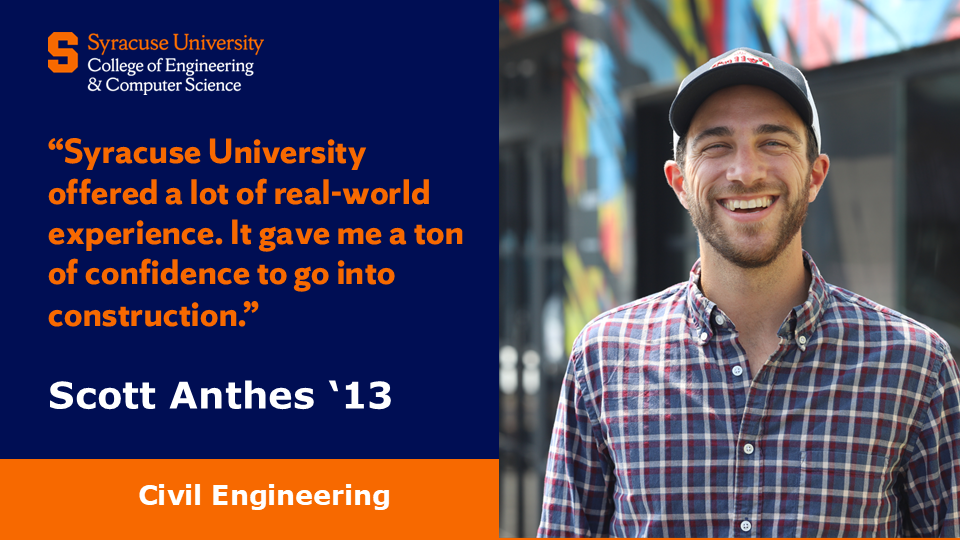
A Culture Built Around Experience

The 87 percent milestone completion rate didn’t happen by accident. It reflects a intentional commitment to making experiential learning accessible and achievable for every student — not just those who arrive with connections or prior opportunities.

ECS has embedded the ELM framework into the fabric of undergraduate life through structured advising that helps students identify and plan their milestone early, dedicated career development staff who connect students with internship and co-op pipelines, research opportunities open to undergraduates across all class years, a robust alumni network that actively mentors and recruits current students, and a Dean’s Office approval process that keeps the program both rigorous and flexible.

The result is a culture where getting out of the classroom isn’t the exception — it’s the expectation.

Bridge Builder: Helping Syracuse University Students Find Their Way in France

When Jean-Laurent Lareyre was paired with a Syracuse University student for an engineering class assignment in 2023, he had no idea where that connection would lead.

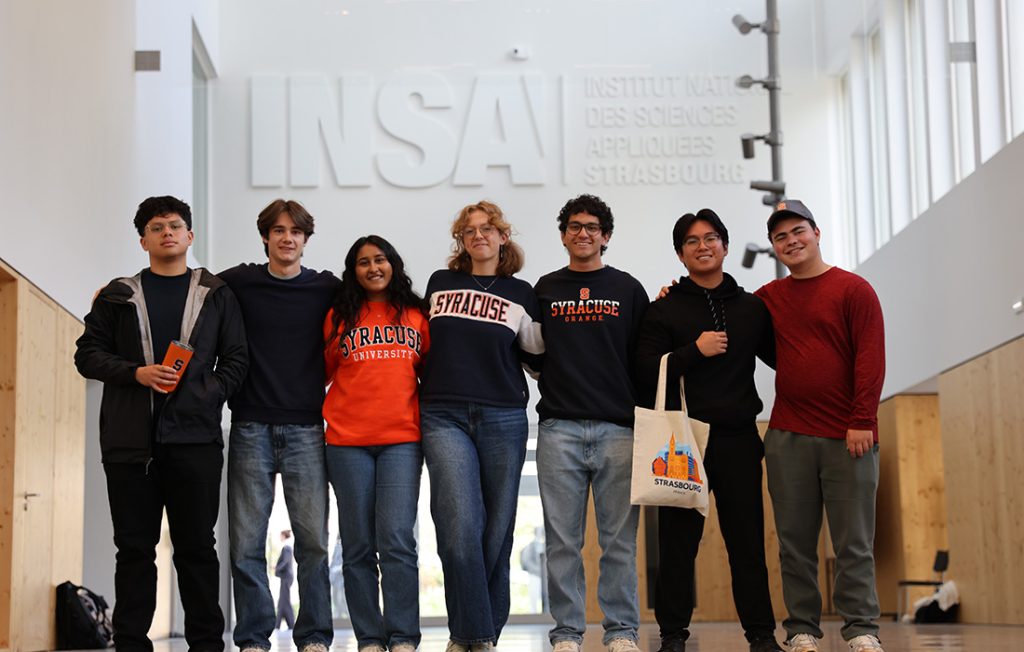
The project at Institut National des Sciences Appliquées (INSA) in Strasbourg, France, sparked something unexpected: a passion for helping American students navigate life abroad. Since that initial pairing, Lareyre – who goes by JoJo – has become an invaluable guide and friend to more than sixty Syracuse University students studying in France.

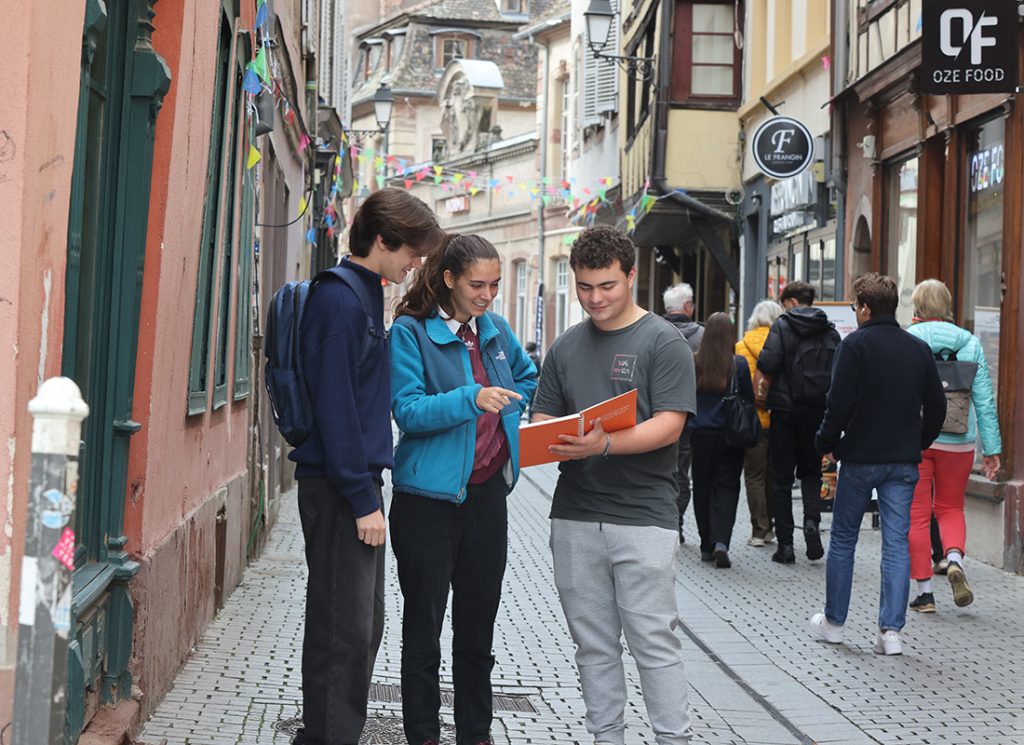
What began as tutoring in physics and electrical engineering classes has evolved into something far richer. Lareyre now helps students explore Strasbourg and the surrounding Alsace region, introducing them to hidden gems and local experiences they might otherwise miss.

“They are curious and want to experience life in Strasbourg,” says Lareyre. “I love when they invite me along. I want them to discover every part of student life at INSA and in Strasbourg.”

Lareyre’s own international background makes him a natural cultural bridge. Originally from Mauritius in East Africa, he also lived in China as a child and now speaks Chinese, French-Creole, German, and English fluently.

“For me, it’s important to communicate with everyone,” he explains. “We’re all engineers. We have the same skills, so we relate to each other well.”

His adventures with Syracuse students and staff have included mountain hiking trips. He understands their desire to make the most of studying abroad—it mirrors his own journey.

“I wanted to go abroad. I didn’t see myself always staying in the same country,” Lareyre reflects. “My parents traveled a lot, and I want to be like them.”

“Jo Jo has been a tutor, mentor, and friend to years of Syracuse and ECS students studying abroad. He has been a wonderful role model – a high-achieving engineering student with an international perspective and a warm, engaging and fun personality. We’ve adopted him as fully  Syracuse,” says John Goodman, the director of Syracuse’s program in France.

Now balancing graduate studies at INSA with an engineering position at a pharmaceutical company in Strasbourg, Lareyre isn’t certain where his career will take him next. But he hopes the connections he’s made will come full circle.

“It would be so much fun to reconnect with students I met in Strasbourg when I’m in the United States,” he says. “Maybe someday they’ll be my guides.”

How Learning French Changed My Study Abroad Experience in Strasbourg, France

Xavier Eduardo Chardon ’28 is a computer engineering student who studied abroad at the Syracuse University center in Strasbourg, France.

As someone who lives on the small island of Puerto Rico, which is a bit far from mainland United States, most of my trips have been to places with customs and traditions that are generally the same to my own. Yes, there are some big differences like how the Caribbean islands have these beautiful beaches and vibrant colours while somewhere like Mexico is more mountainy and dry, while also having these big, ancient Mesopotamia temples, but the way the people act and think, and how the general vibe is being with them, is more or less the same in many regards, especially when we all either speak English or Spanish. As someone who was born and raised in America and had experienced many different cultures that were still more-or-less similar to my own, I wanted to experience something new and unique that I haven’t seen before, and to fulfill that wish, I looked for opportunities for Europe, and thanks to the Syracuse University study abroad programs, I was able to visit Europe for the first time in my life.

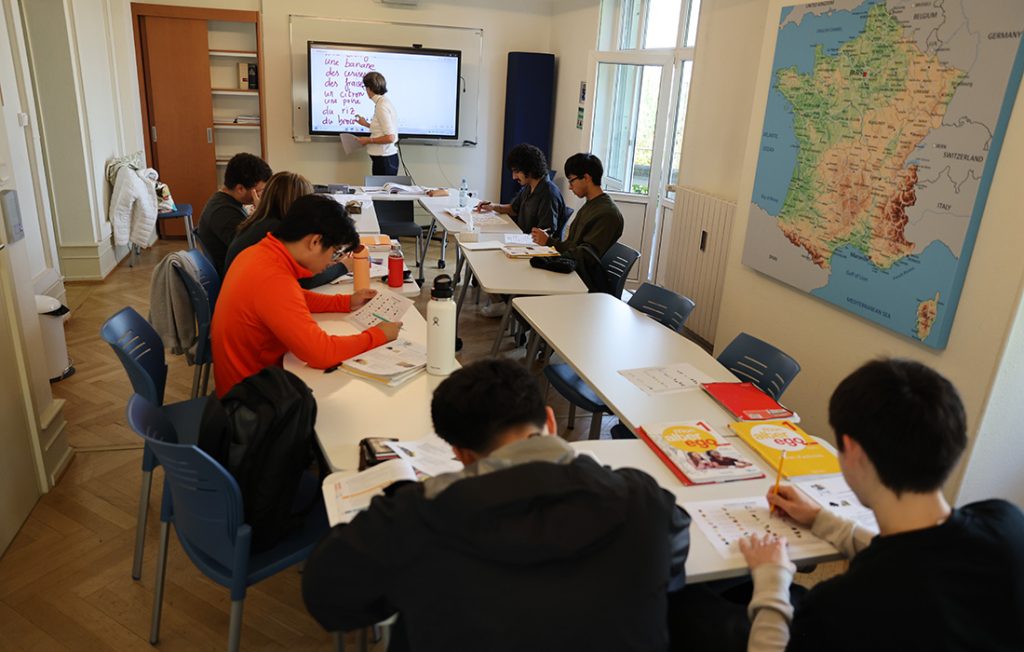
Before I actually went to France, I addressed the main problem I would have – how am I going to communicate with a foreign language I do not know? Since I speak both English and Spanish, I have never had a language problem in my life. If I wanted to learn about a foreign country’s culture, I would have to learn how to at least understand French. Thankfully, “L’Alliance Française” program does have offices in Puerto Rico, so I was able to learn some French during the summer before going to France. It was not enough for me to have a full conversation in French, but it was enough to at least understand how the French language works and to be able to make educated guesses and close enough assumptions on French words and phrases.

Arriving at France, I was immediately blown away as to how different France is compared to America. The architecture in Paris and Strasbourg was extremely different to what I was used to seeing in America, and most of the people I tried talking to were nice.

Since it was my first time travelling overseas, both of by parents came with me and we had a small vacation in Paris and in Strasbourg before the Syracuse University program started. My mom and I did our best to translate anything we saw (my mom also attended the French classes with me), while my dad could only pray that we were correct with our translations (we tried going from Gallia to Notre Dame without google and only using signs and turned a 15 minute walk to nearly 45 minutes). It was still very scary and stressful to speak with people since we did not know French, but I tried to communicate with the best of my abilities.

As the program started, I was given a host family to stay with for the semester and now I take it as a blessing. I remember the first couple of days it being extremely hard to just say information without having to result to hand signals, acting, and using phrases like “yes, aha” and “no, like *blank*”. We had to result to google translate a bunch for our first couple of weeks, but as I learned more and more French (with not just the Syracuse villa class, but with the experienced I got going out and exploring Strasbourg), I was able to communicate back to them using proper French.

After learning some of the basic verbs like “avoir” and “être”, and after understanding how to use adjectives, subjects, roots, numbers, etc, I was able to speak French with my host family while using my Spanish to more or less “comprendre” the meaning of the complex verbs and predicates they use that I have not heard about yet.

I specifically remember certain days like how I learned about how to say certain medical related things in French, and later that day being able to ask my host mom what she does for work in more detail (before then, she told me she was a doctor but I could not comprehend on what, after that day I learned that she used to work as a foot doctor, but now is retired and instead works as a teacher for future foot doctors). There was also the time I learned how to properly say the time, making it a lot (and I mean a lot) easier to coordinate with my host family about dinner, laundry and at what times we left or came back at. Near the start of the semester, my host parents would do their best to speak in English so that I could understand them, but now it has finally gotten to a point where they would both talk at each other in French, and I can somewhat follow their conversation, discovering new words I could now use and understanding old words I just learned this semester.

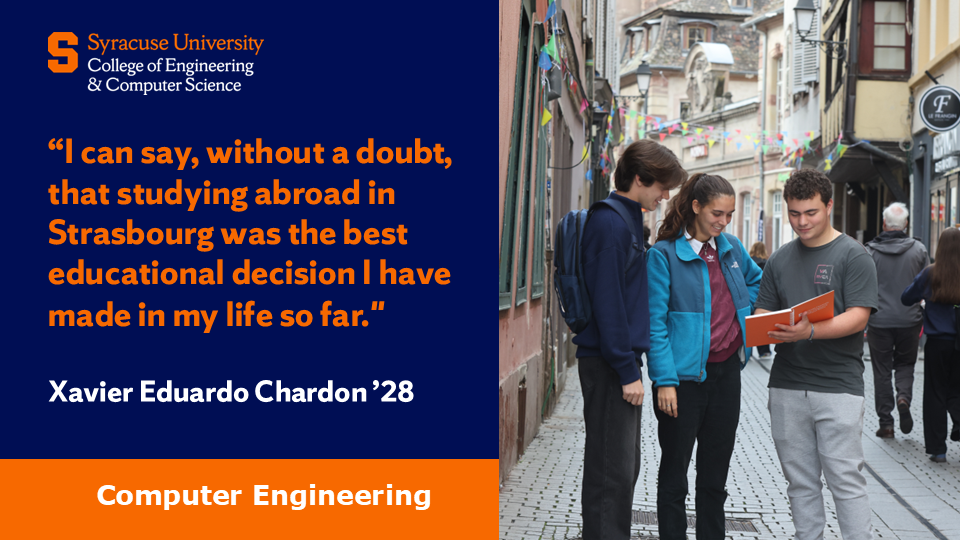
Now coming into the end of the semester, I can look back and realize how much I have learned in the past few months. Not only have I learned how to speak French, but by using my French knowledge I was able to talk to and form bonds with people like my host parents and their nieces, and with other people like the local business owners I frequent to buy food snacks. I was able to read and understand museum plaques, magazines and special events like the Notre Dame astronomical clock showcase that happens every weekday and is mainly in French, deeply broadening my knowledge of both France and Strasbourg. I can say, without a doubt, coming to Strasbourg was the best decision I have made educationally in my life so far. I would definitely go back given the option, and am now planning to continue learning French until I reach a desirable proficiency level.

A Home Away From Home: Staying With a Host Family During Your Study Abroad Experience

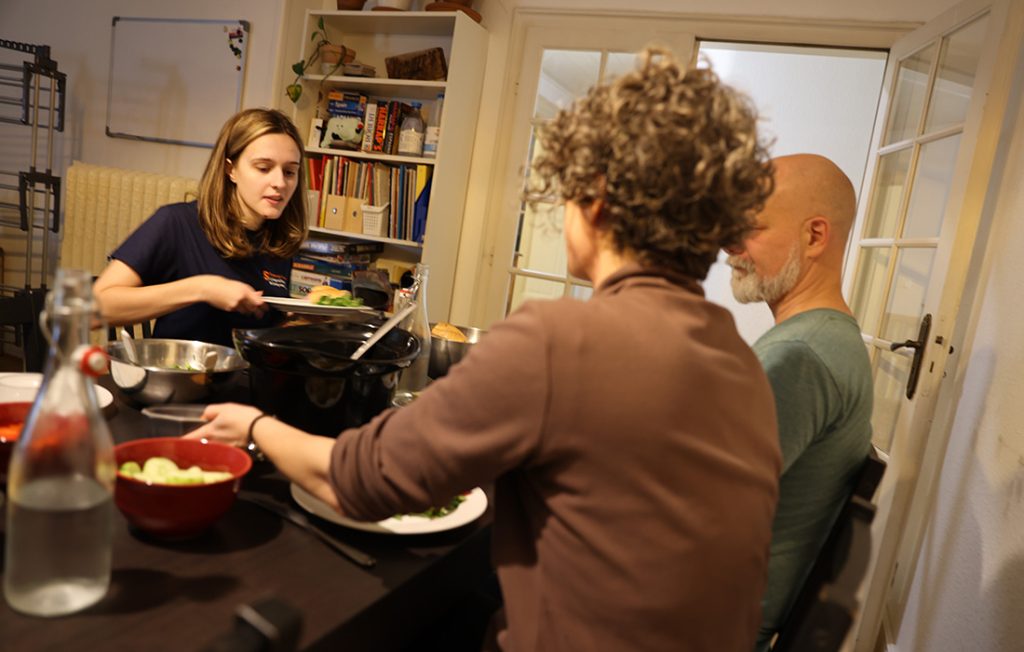
Strasbourg, France may be a long way from Marion Patsalides’ home in Connecticut but she had a family looking out for her from the moment she arrived for her study abroad experience. Patsalides spent the fall semester with Claire Kreuger and her family at their home just a short walk from Syracuse University’s Strasbourg Center.

“One of the biggest benefits for me has been having people I can communicate with and get advice from on a daily basis.  I’m still getting better at French, so being able to have someone who speaks English and French and understands the local customs really helped,” says Patsalides.

Kreuger and her husband are originally from Canada but have lived in Strasbourg for years.

“We love living in France and in particular living in Strasbourg. This is such a great city and a great country to live in. The best part of hosting students from Syracuse is getting to share this city with them and getting to see it through new eyes,” says Kreuger.

“Had I been in an apartment or a dorm, I really feel like I would have struggled a lot to manage getting groceries and planning my own meals all the time in a different country.  I appreciate home cooked meals daily,” said Patsalides. “Having a family I could ask for help really saved me multiple times.  I will always feel like I was lucky to end up with the Kreugers.” 

Host families are much more than housing and meals. The Kreugers lent Patsalides a bicycle so she could explore the city.

“When you strike up the courage and get on a bike in Strasbourg, the world opens up at your feet. We live right in the city center so everything we need is within a 15 minute radius by walking, tram or cycling,” says Kreuger. “While Strasbourg is very conveniently located for weekend getaways to London, Berlin or Barcelona, there is a lot to see and do right outside our door.”

From little things like help finding a pharmacy to a welcoming home to come back to each night, Patasalides says the support she has received from the Kreugers has made her study abroad experience more enjoyable on multiple levels.

“Living with a host family absolutely adds to the experience of studying abroad.  Both the advice I’ve gotten from Claire about assimilating to French culture and especially with working out how to interact with professors have really helped me,” says Patasalides. “I live in the middle of a beautiful city, but it’s been wonderful to have such a place to call home while I am here.”

Studying Abroad at the Crossroads of Europe

The Syracuse University center in Strasbourg, France offers an incredible study abroad experience for Engineering and Computer Science students. Located in eastern France on the border of Germany, Strasbourg is centrally located with easy access to Switzerland, Belgium and Italy.

“The study abroad program is part of why I choose Syracuse in the first place,” says Emma Crandall ’25. “Strasbourg was one of the places they made it really easy for me as an engineering major.”

“I love the city. One of my favorite things is how easy it is to get around,” says Declan Wavle ’25. “It’s really an amalgamation of all different cultures coming together.”

Specially designed programs for second year students allow them to take required courses they need and remain on track for graduation.

“Syracuse does a very good job of making sure we stay on track as engineers even when we are studying abroad,” says Arturo Venegas ’25. “I am taking almost all my courses I need to take for this sophomore year. Which is amazing since that means there is no disruption to my four-year plan”

“That’s one of the best things about this program. You don’t have to sacrifice anything as an engineer,” says Tyler Lavaway ’25.

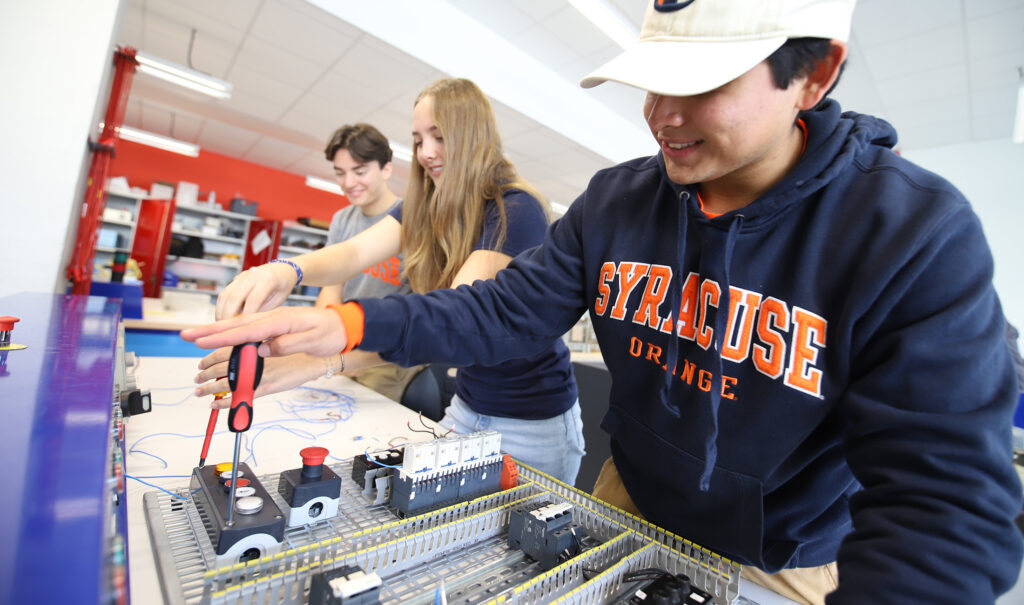
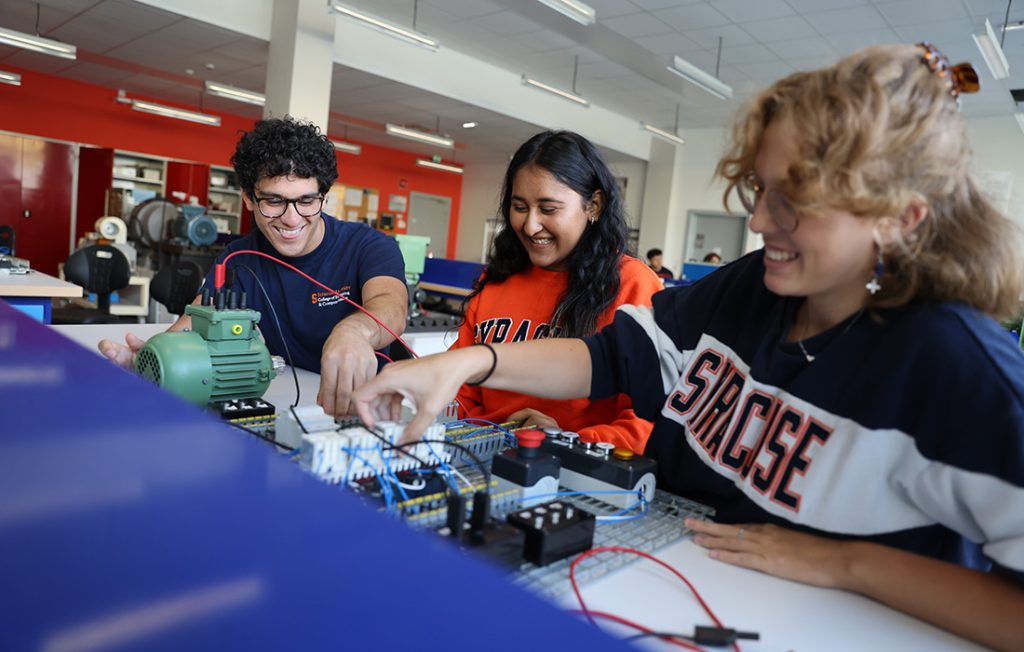
electrical engineering lab in Strasbourg
An electrical engineering lab at INSA in Strasbourg, France

Syracuse University students get to take some of their classes at France’s National Institute of Applied Science. All classes are taught in English.

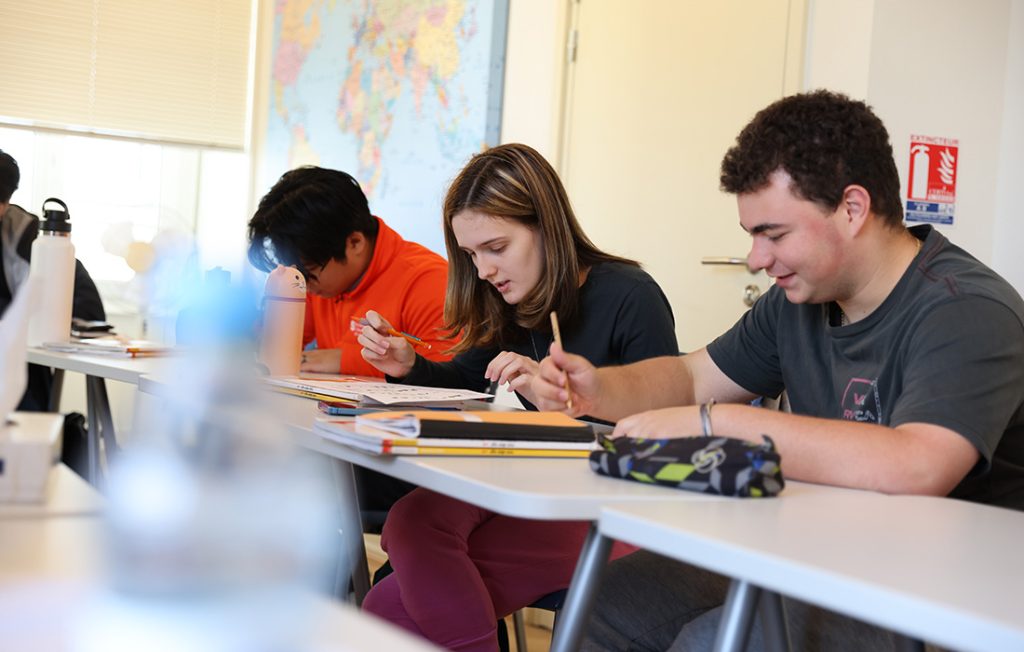
“You don’t have to speak French to study in Strasbourg, there is no language requirement but I always say you have to want to learn,” says assistant director Mary Boyington. “You can have a wonderful opportunity, take French classes, live with a host family and learn the French language in an everyday environment.”

“It is really cool how you get to see you major done a different way and it is eye opening,” says Wavle. “You know there is a whole other world out there but you don’t experience it until you are actually there.”

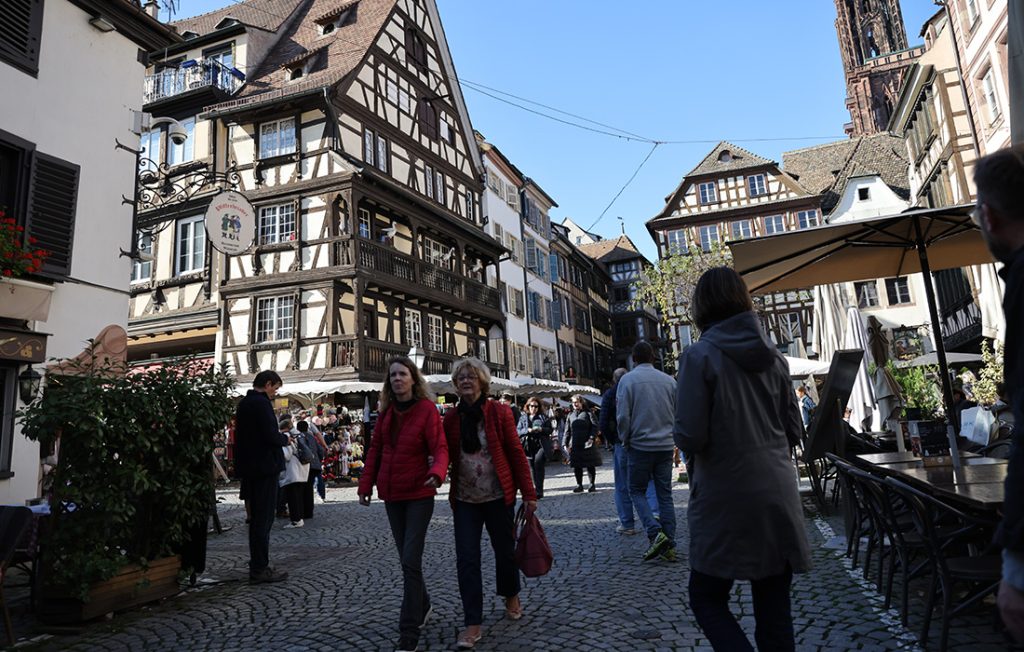
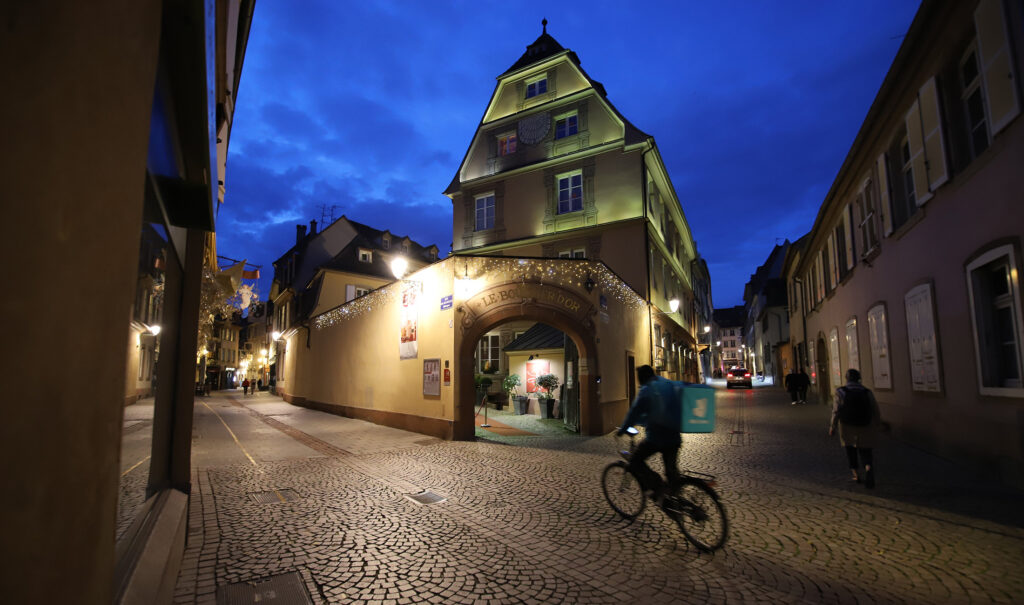
A restaurant in the Petite France area of Strasbourg, France
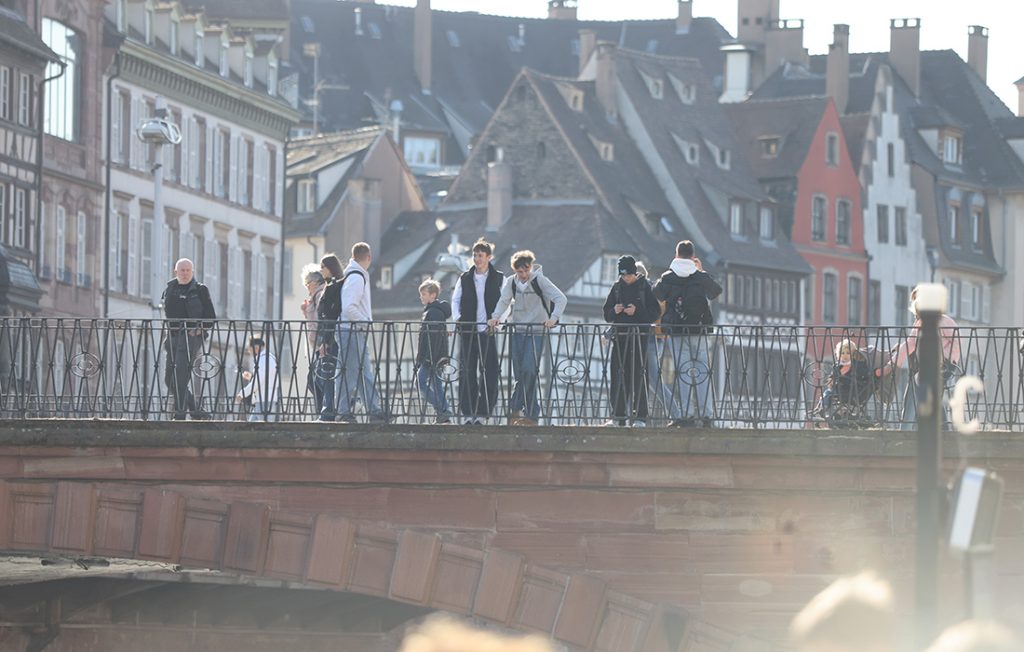
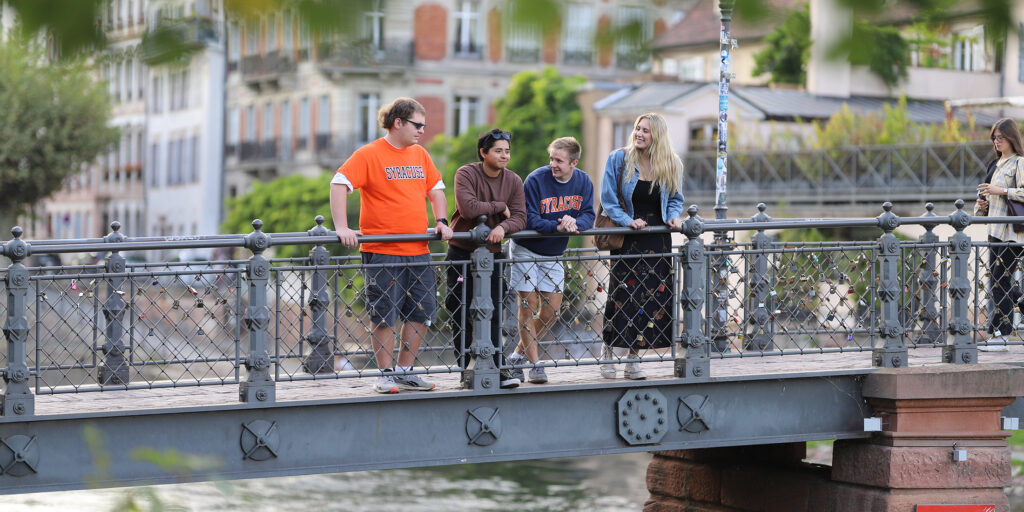
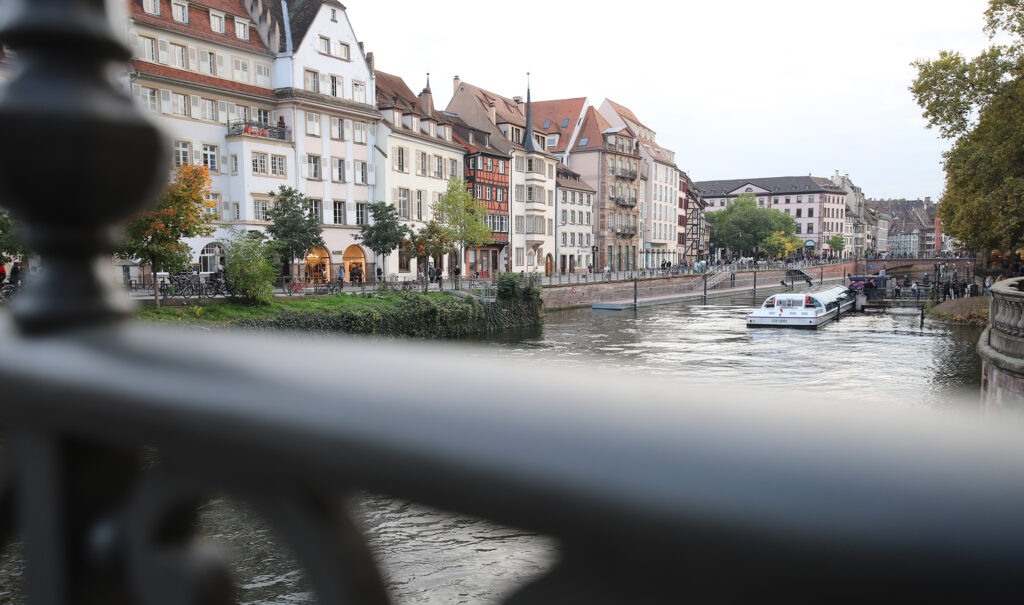
Strasbourg, France

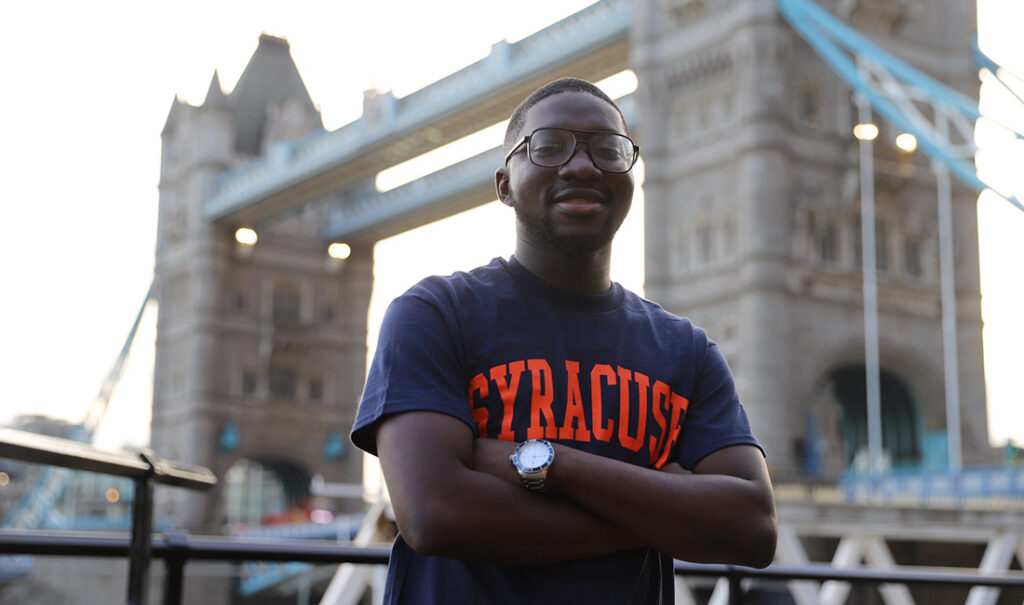
International Experiences: Computer Science Study Abroad in London

Within weeks of arriving in London, computer science student Jovanni Mosca ’24 knew his semester abroad would be a life changing experience. He was living just outside central London, had traveled to multiple other countries in Europe and getting an up-close look at how global companies operate.

“We have a global major since we are creating software and technologies that spread around the world but we often don’t have knowledge of all the context that our work is going to be part of. So this is a valuable experience,” says Mosca.

A program uniquely designed for Syracuse University computer science students allows them to take courses they need in London and stay on track for a four year graduation. Kwaku Amofah-Boafo ’24 was thrilled to be taking his required classes mixed in with experiences across the United Kingdom.

“The best part of Study Abroad is interacting with the city,” says Amofah-Boafo. “Seeing that my major is computer science, visiting these places has given me the opportunity to see if I want to work abroad or work oversees in the future.”

Syracuse University’s London Center is based out of Faraday House in the West End. Students can take classes there and receive support from Syracuse University faculty and staff.

“I feel like Faraday House is your own little home space in London,” says Mosca. “Having the diverse faculty is cool. They are people of all different backgrounds who are either working in industry or teaching.”

“The classes are smaller, you interact more and I think that leads to better experiences in the classroom and the work you do,” says Amofah-Boafo.

The Syracuse Abroad computer science program is London is designed for the fall semester of a student’s junior year.

“Getting a chance to see what it is like to live here on a day to day basis and see people working has made me think about it in the future,” says Amofah-Boafo.

“It is an opportunity that will change your life, how you look at the world and it is invaluable,” said Mosca.