87 Percent of Undergraduate Students Complete an Experiential Learning Milestone Before Graduation— and the Results Are Speaking for Themselves
At Syracuse University’s College of Engineering and Computer Science (ECS), a degree isn’t just measured in credits and coursework. It’s measured in real-world problems tackled, industries explored, and communities served. In a recent survey of 229 graduating seniors, an impressive 87 percent of ECS undergraduates completed at least one Experiential Learning Milestone (ELM) before graduation — a figure that is reshaping what it means to earn an engineering or computer science degree in the 21st century.
What Is an Experiential Learning Milestone?
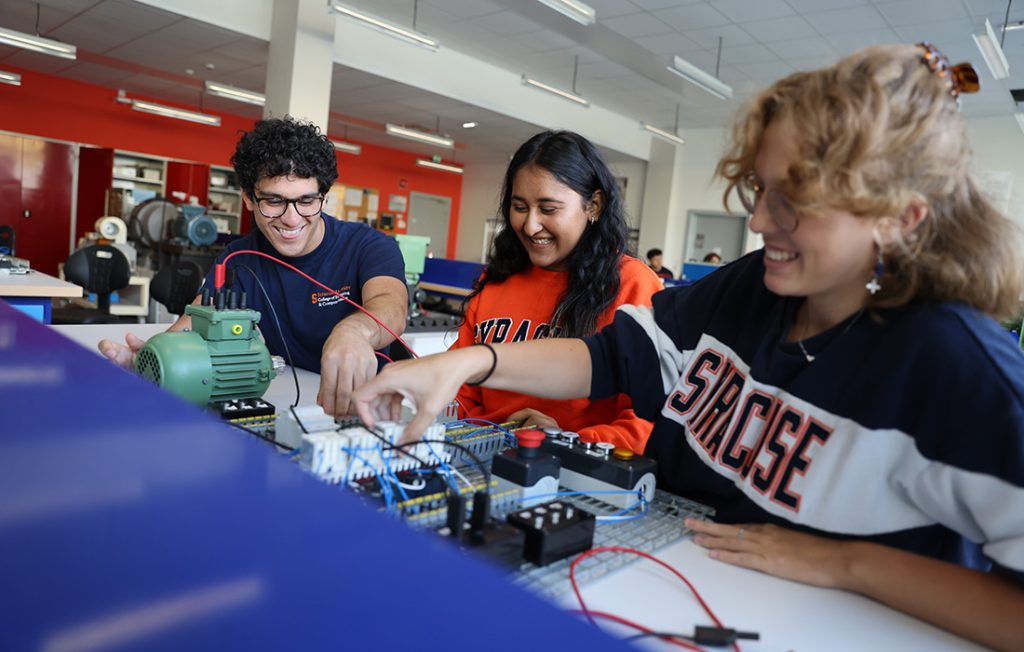
ECS defines Experiential Learning Milestones as structured, applied experiences that bridge the gap between academic theory and professional practice. The college organizes these opportunities into three distinct categories, ensuring that students from every background and career aspiration can find a meaningful path.
Category 1: Work-Integrated Learning
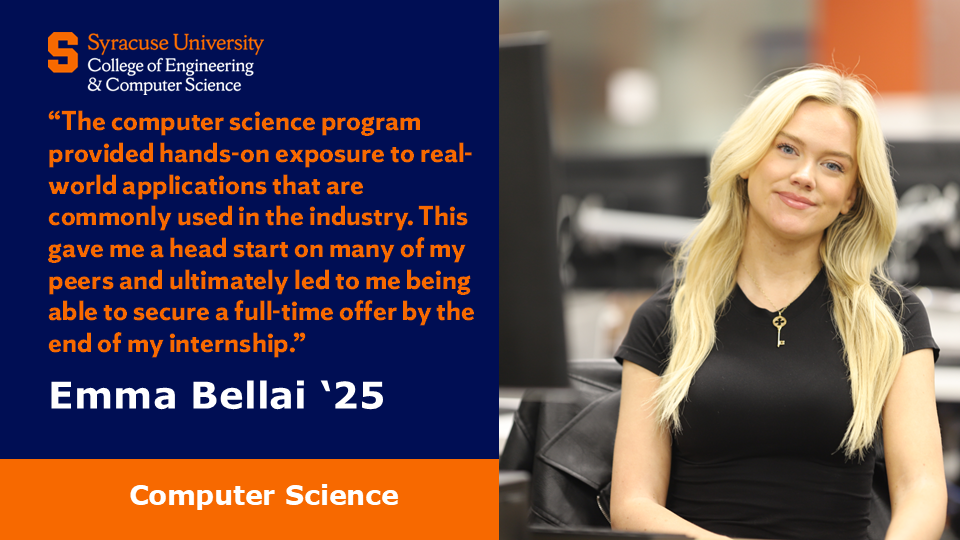
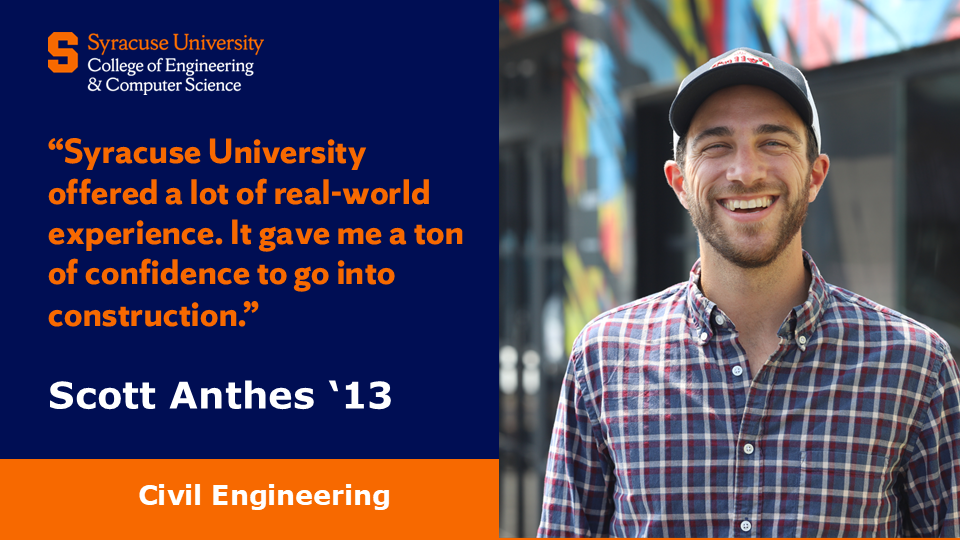
The most direct bridge between campus and career, Work-Integrated Learning places students in professional engineering and technology environments before they graduate.
- Internship — Students gain hands-on industry experience through short-term placements with companies and organizations across sectors ranging from aerospace and defense to healthcare technology and fintech.
- Co-Op — Extended, alternating work-study arrangements that allow students to embed more deeply within an organization, often returning for multiple rotations and taking on increasing responsibility over time.
- Industrial Assessment Center — Students participate in energy and productivity assessments of real manufacturing facilities, applying engineering analysis to help businesses identify inefficiencies and reduce costs — all under faculty supervision.
Category 2: Research and Discovery
For students drawn to pushing the boundaries of knowledge, ECS offers pathways into original inquiry alongside world-class faculty.
- Undergraduate Research — Students join active faculty research labs, contributing to projects in areas such as cybersecurity, artificial intelligence, sustainable infrastructure, biomedical engineering, and more. Research opportunities are open to students as early as their first year.
- Approved Independent Research Study — Students with a focused area of interest can design and pursue an independent research project, guided by a faculty mentor and approved through the college, allowing for a highly personalized scholarly experience.
Category 3: Innovation, Exploration, and Service
Recognizing that engineers and computer scientists shape the world in more ways than one, this category encompasses experiences that cultivate creativity, global awareness, civic responsibility, and entrepreneurial thinking.
- Engineering Service Experience — Programs like Engineers Without Borders give students the opportunity to apply technical skills to humanitarian challenges, developing sustainable solutions for underserved communities at home and around the world.
- Entrepreneurship & Innovation-Based Experience — Initiatives like Invent@SU challenge students to take an idea from concept to prototype, building not just technical acumen but the business fluency and creative confidence that modern engineering careers demand.
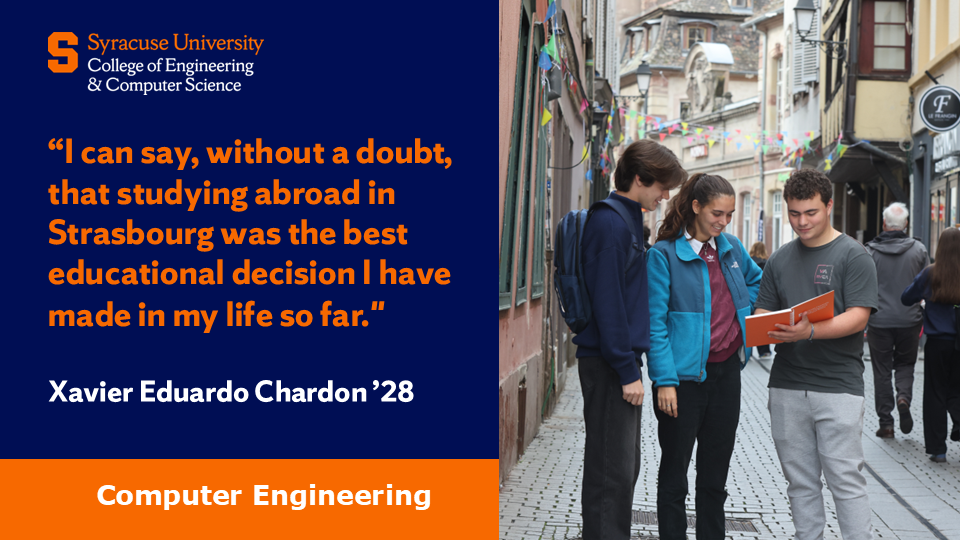
- Study Abroad — Students pursue technical coursework and cultural immersion internationally, gaining the global perspective increasingly required in today’s interconnected engineering and technology landscape.
- Military Service Experience — ECS recognizes and honors the unique, high-stakes technical and leadership training that student veterans and ROTC participants bring to their engineering education.
- Additional Approved Opportunities — The Dean’s Office can endorse additional experiences that meet the spirit of experiential learning, ensuring the ELM framework remains flexible and responsive to an ever-evolving field.
Why It Matters: The Case for Learning by Doing
Career Readiness from Day One. Employers across the technology and engineering sectors consistently rank real-world experience among their top hiring criteria. When 87 percent of Engineering and Computer Science graduates arrive at their first job having already navigated an internship, contributed to a research publication, or led a humanitarian engineering project, they don’t just meet expectations — they exceed them.
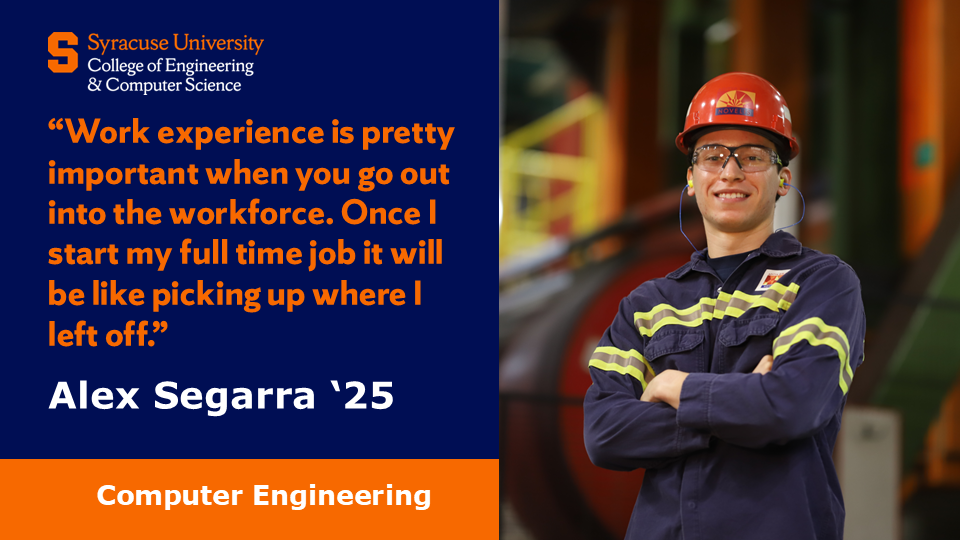
Deeper Technical Mastery. There is a significant difference between understanding a concept in a textbook and applying it under real constraints. Whether a student is optimizing energy systems for a manufacturing facility through the Industrial Assessment Center or debugging embedded code during a co-op rotation, experiential settings accelerate technical depth in ways that traditional instruction alone cannot replicate.
Professional Networks Built Early. Every internship, research lab, and competition is also a networking opportunity. Students who complete ELMs often leave with mentors, professional references, and peer connections that serve them for decades — a head start that pays dividends far beyond graduation.
Confidence and Adaptability. Engineering and computer science careers demand resilience — the ability to pivot when a solution fails, collaborate across disciplines, and communicate technical ideas to non-technical audiences. ELM environments are where students develop these skills in authentic, high-stakes settings that no simulation can fully replicate.
Higher Earning Potential. Research consistently links undergraduate internship and co-op completion to higher starting salaries. For ECS students, who enter competitive job markets, documented real-world experience signals both technical competence and professional maturity to recruiters.
A Culture Built Around Experience
The 87 percent milestone completion rate didn’t happen by accident. It reflects a intentional commitment to making experiential learning accessible and achievable for every student — not just those who arrive with connections or prior opportunities.
ECS has embedded the ELM framework into the fabric of undergraduate life through structured advising that helps students identify and plan their milestone early, dedicated career development staff who connect students with internship and co-op pipelines, research opportunities open to undergraduates across all class years, a robust alumni network that actively mentors and recruits current students, and a Dean’s Office approval process that keeps the program both rigorous and flexible.
The result is a culture where getting out of the classroom isn’t the exception — it’s the expectation.